Every year, Ghanaian organisations upgrade their computers, replace their servers, retire their phones. Most have no documented answer to a simple question: where did those devices go?
It is not a question anyone asks loudly. But regulators are starting to ask it — and so are auditors, investors, and ESG reporting frameworks. This article explains what actually happens to electronic waste in Ghana, why the current situation creates real risk for businesses, and what a responsible alternative looks like.
| 50M+ Tonnes of e-waste generated globally every year | 300K+ Tonnes generated in Ghana annually | <20% Formally recycled or documented |
Where Does E-Waste Actually Go?
When a company upgrades its computer fleet, the old machines usually take one of four paths. Understanding each one matters — because only one of them is safe, legal, and defensible.
Path 1: The Informal Collector
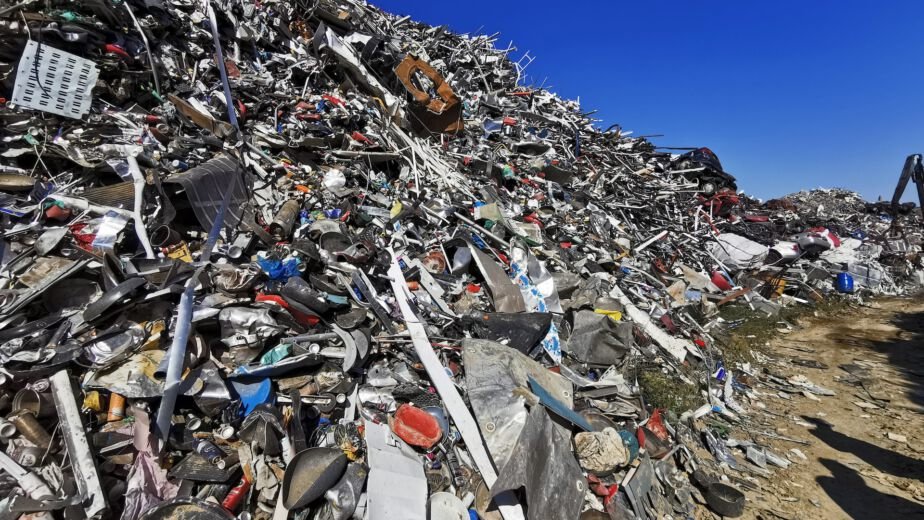
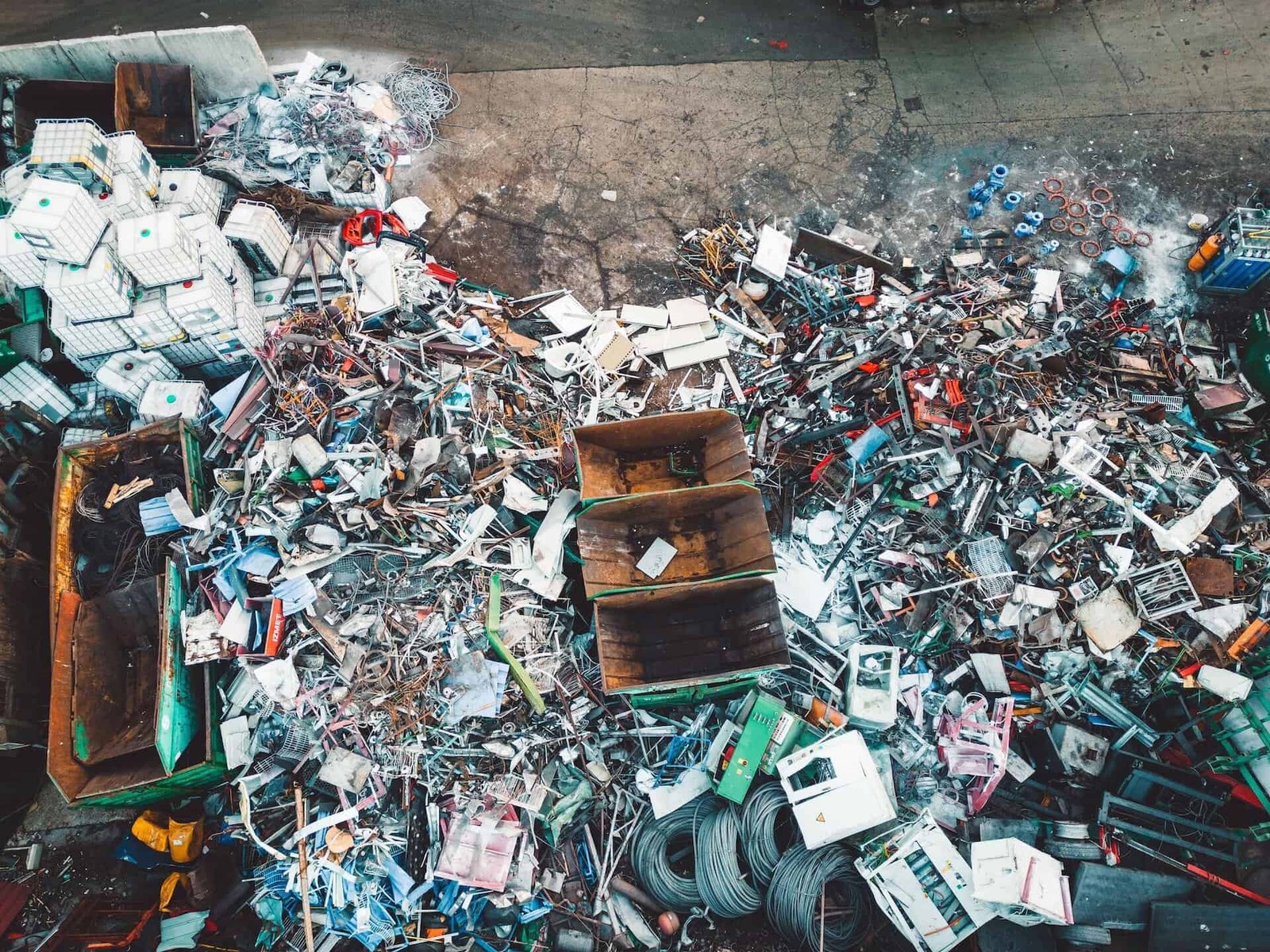
The most common outcome in Ghana. A middleman arrives, loads the equipment, pays a small sum, and disappears. The organisation has no receipt, no manifest, and no idea what happened next. Most equipment ends up at informal processing sites where it is broken apart by hand — often by children — to recover metals. Toxic substances are released into the environment, into the water table, and into the bodies of the people doing the work.
For the organisation: no documentation. No legal protection. If a regulator asks where your decommissioned servers went, you have no answer.
Path 2: Long-Term Storage
IT equipment accumulates in storerooms, server rooms, and warehouses. This is common in banks, hospitals, and government ministries. The logic is understandable — disposing of it feels complicated, so it waits. But storage is not a solution. It is a liability deferred.
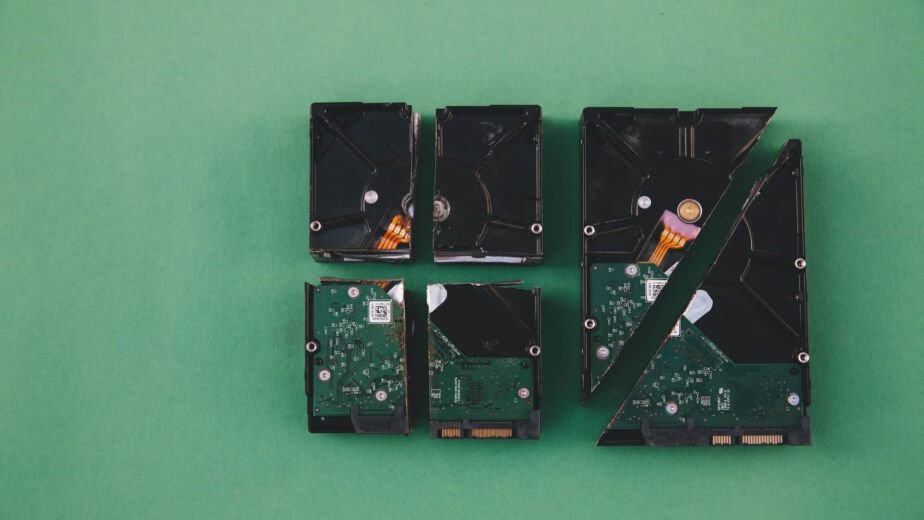
Old hard drives sitting in storage still contain data. The organisation is still responsible for that data under data protection obligations. And at some point, the equipment has to go somewhere.
Path 3: Donation or Resale
Equipment is passed on to schools, NGOs, or individuals — or sold through secondary markets. This can be appropriate for functional devices, but it creates a specific risk: the data on those devices. Without certified data erasure, every donated laptop is a potential data breach.
Path 4: Certified Disposal
The organisation engages a licensed e-waste management company. Equipment is collected, manifested, processed, and documented. A compliance certificate is issued. This is the only path that fully protects the organisation.
| The gap between Path 1 and Path 4 is not technical — it is awareness and access. Most Ghanaian organisations do not know a credible Path 4 option exists. |
Why This Is Now a Business Risk
E-waste management has traditionally been treated as an environmental issue — important, but separate from business operations. That is changing, and it is changing fast, for three reasons.
Regulatory Pressure Is Increasing
Ghana’s Environmental Protection Authority (EPA) has specific regulations governing the handling, transport, and disposal of electronic waste under the Hazardous and Electronic Waste Control and Management Act. Penalties for non-compliance are real — and enforcement is increasing as Ghana aligns with international environmental frameworks.
Organisations that cannot document their e-waste disposal practices face potential fines, operational disruption, and reputational damage when enforcement actions occur.
Data Protection Obligations
The Data Protection Act 2012 requires organisations to take reasonable steps to protect personal data — including ensuring it cannot be recovered from decommissioned equipment. An organisation that hands old computers to an informal collector without certified data destruction may be in breach of its data protection obligations, regardless of whether the organisation intended any harm.
Data breaches stemming from improperly disposed equipment are among the hardest to detect — and the hardest to defend against if discovered.
ESG and Procurement Requirements
Increasingly, Ghanaian corporations — particularly those with international shareholders, listed companies, and those seeking government contracts — face ESG reporting requirements that include environmental stewardship. E-waste disposal is a documented category in frameworks such as GRI and CDP.
Organisations that lack documentation of responsible disposal are finding themselves unable to complete sustainability reports accurately — or at a competitive disadvantage in procurement evaluations where environmental compliance is assessed.
| “Where did your old IT equipment go?” is now a compliance question, not just an environmental one. |
What Responsible Disposal Actually Looks Like
For an organisation engaging a certified e-waste management company, the process is straightforward. The company collects from your premises, documents every item, transports it to a licensed facility, processes it according to EPA-compliant methods, and issues a compliance certificate.
The key outputs are:
- A collection manifest listing every item by type, serial number (where applicable), and weight
- A chain-of-custody record covering transport and processing
- A data destruction certificate for any storage devices (where applicable)
- A compliance certificate confirming EPA-compliant processing
These documents are what protect your organisation if a regulator, auditor, or ESG reviewer asks the question.
How to Get Started
For most organisations, the starting point is an informal audit of what is currently sitting in storage. IT departments often have equipment that has been waiting for disposal for months or years. A licensed e-waste management company can conduct an assessment, provide a collection plan, and handle everything from there.
There is no minimum volume. Whether you have ten laptops or a thousand, a certified collection can be arranged, documented, and completed — and you will have the certificate to prove it.
| Ready to document your e-waste disposal? → Request a Collection Assessment |