
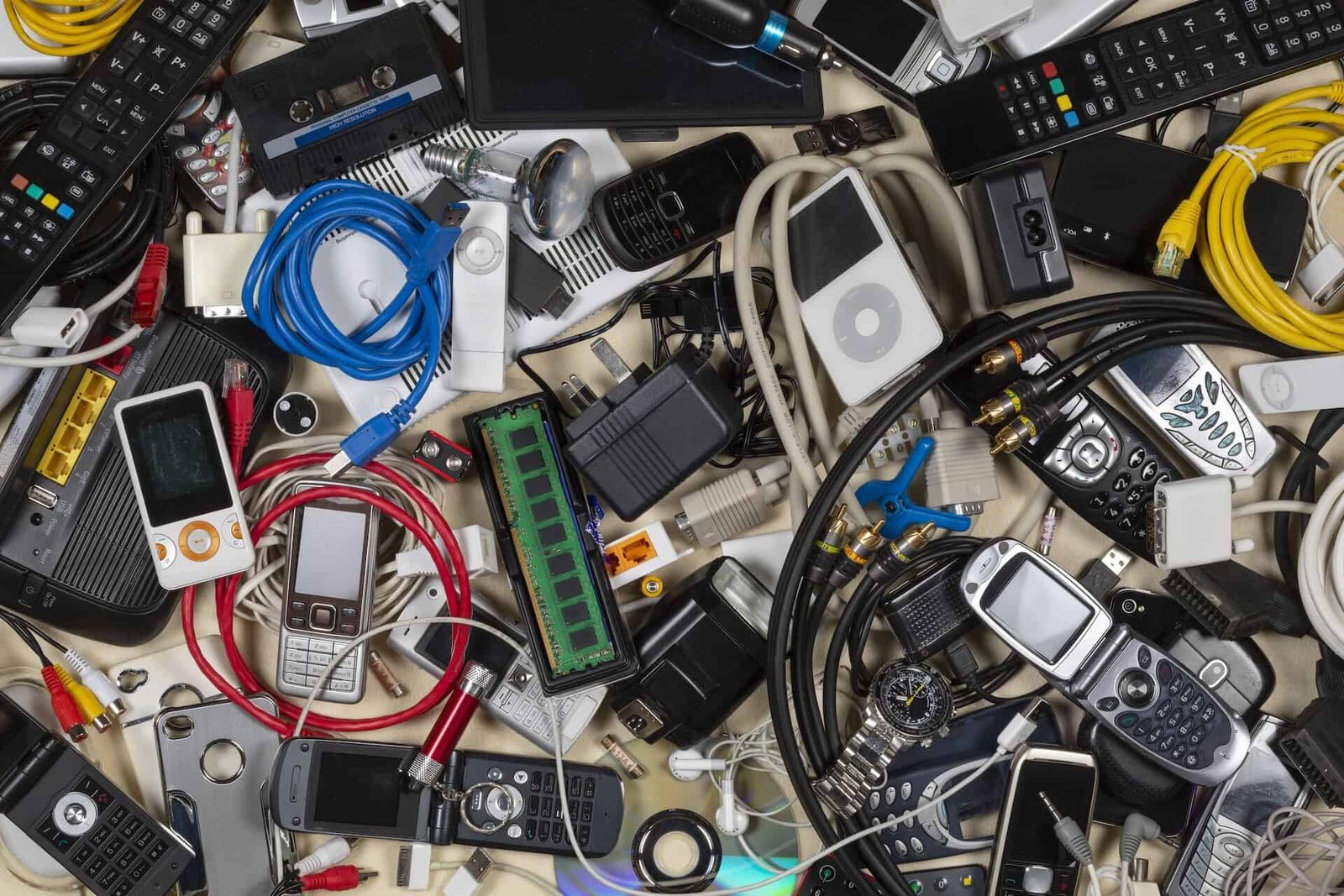
There is a crisis happening in Ghana that most people cannot name — even though millions encounter its effects every day.
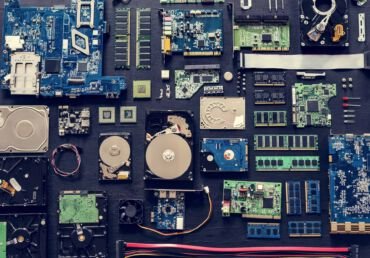
E-waste — the electronic devices we discard when they stop working or fall out of use — is accumulating at a rate our current infrastructure was not built to handle. It ends up in places that cause real harm to real communities. And it is growing.
This article explains the crisis, why it matters to every Ghanaian, and what all of us — individuals, businesses, government, and communities — can do about it.
Ghana’s E-Waste Reality
Ghana is one of the world’s leading importers of second-hand electronic equipment. The country receives millions of devices each year from Europe, North America, and Asia — equipment sold as second-hand but often arriving at or near end-of-life. When these devices stop working, they join the domestic waste generated by Ghana’s own growing technology consumption.
The result is a massive and accelerating flow of e-waste with very limited formal infrastructure to handle it. Ghana has only a handful of certified e-waste processing facilities, and total formal processing capacity is a fraction of annual generation.
| 300,000+ Tonnes of e-waste generated in Ghana per year | Agbogbloshie One of the world’s largest informal e-waste sites — located in Accra | < 10% Of Ghana’s e-waste formally collected and certified |
Who Pays the Price
The consequences of informal e-waste handling are not evenly distributed. The communities closest to informal processing sites — and the workers who process devices by hand, by fire, and by acid — bear a disproportionate share of the health burden.
Environmental Contamination
Soil samples taken near informal e-waste sites in Accra have recorded concentrations of lead, cadmium, and other heavy metals at levels hundreds of times higher than international safety thresholds. This contamination does not stay put — it moves through rainwater into drainage systems, into agricultural land, and into the food chain.
Studies have found elevated blood-lead levels in children living near informal processing sites, contributing to developmental impairment, reduced cognitive function, and long-term health consequences.
Worker Exposure
Workers at informal sites — including, in documented cases, children — are exposed daily to toxic fumes from burning plastics, acid vapour from metal leaching, and fine particles from mechanical dismantling. Without protective equipment and without ventilation, these exposures accumulate over time with serious health consequences.
This is not a distant or abstract risk. It is happening in Accra, in communities that many of us live near, pass through, or buy food from.
Lost Resource Value
Informal processing recovers a small fraction of the recoverable materials in e-waste — primarily copper and aluminium, extracted through methods that destroy other valuable materials in the process. The precious metals, rare earths, and high-grade plastics that could re-enter manufacturing supply chains are lost.
Ghana is, in effect, sending significant economic value to landfill and into the atmosphere — while paying environmental and health costs that far exceed the marginal gains of informal processing.
The Actors Who Can Drive Change
No single actor can solve Ghana’s e-waste challenge. But each of the following groups has a specific and important role.
Businesses and Corporations
The single most impactful action a business can take is to stop using informal collectors and engage a certified e-waste management company. Each tonne diverted from informal disposal is a tonne that does not end up at Agbogbloshie. It also happens to be the legally compliant and commercially defensible choice.
Government Institutions
Government ministries, agencies, and state-owned enterprises collectively manage enormous quantities of IT equipment. The adoption of formal e-waste disposal standards in public procurement — and the enforcement of existing regulations under Act 917 — would create significant demand for certified disposal services and signal to the private sector that standards matter.
Individuals and Households
For individuals, the most important action is to stop putting electronic devices in the general waste bin — and to stop burning them. Community drop-off events and collection points offer a practical alternative. Passing a still-functioning device to someone who can use it is also a positive option, provided the data has been properly wiped.
Community Organisations
Schools, churches, community centres, and local associations are trusted voices that can normalise e-waste awareness in ways that formal campaigns cannot. Community-level education — about what e-waste is, why it matters, and where to take it — is part of the infrastructure that makes formal disposal accessible.
E-Waste Management Companies
Certified operators have a responsibility not just to process what they collect, but to make collection accessible, affordable, and easy to understand. That means community collection events, clear pricing, simple processes, and consistent public communication about why it matters.
| Every business that chooses certified disposal over an informal collector is making a concrete, measurable contribution to Ghana’s environmental health. That is not rhetoric — it is documented, tonne by tonne. |
Five Things You Can Do This Month
- Audit Your Old Electronics Look around your home, office, or institution. How many old devices are sitting unused — in drawers, storerooms, or cabinets? These are e-waste waiting to happen. Identify them. Estimate volumes.
- Stop Using the General Waste Bin for Electronics A mobile phone in the general waste bin will end up in a landfill — or recovered informally. Neither outcome is acceptable. The alternative is a certified e-waste collection service or drop-off point.
- Ask Your Employer or Institution What Their Policy Is Does your workplace have a documented e-waste disposal policy? Do they use a certified collector? If not, raise it. The question itself creates accountability. A simple request to the IT department or facilities manager can initiate change.
- Share This Information Most people do not know what e-waste is, why it matters, or what to do with it. Sharing credible information through your networks — community WhatsApp groups, workplace communications, social media — is a genuine contribution to awareness.
- Choose Certified Disposal When you or your organisation next has devices to dispose of, choose a certified e-waste management company. The process is straightforward, the documentation protects you, and the environmental impact is real and measurable.
| “Ghana’s e-waste problem is large. But it is made up of millions of individual disposal decisions — each of which can go one way or another.” |
| Ready to be part of the solution? → Find a Drop-off Point or Request a Collection |
